If you wake most mornings blocked, with facial pressure and a nose that will not clear, indoor allergens inflaming your sinuses overnight may be the cause. Dust mites in your pillow and mattress are a common and fixable trigger, since your face rests against them for hours. Seal them out and you give your sinuses a clean night. This collection is built around our Complete Protector Set and pillow protectors, plus HEPA air purification.
Why Your Sinuses Are Worst in the Morning
If your congestion and facial pressure are heaviest on waking and ease as the day goes on, that pattern is a strong clue that your bedroom is involved. Overnight you breathe air right next to a mattress and pillow that can hold dust mite allergen, so your sinuses are exposed to the trigger for hours at a stretch. By morning the inflammation and congestion have built up, and you wake blocked.
How Allergies Affect Your Sinuses
Sinusitis is inflammation of the sinuses, the air-filled spaces around your nose and eyes. When the lining swells, mucus cannot drain properly, leading to congestion, facial pressure, headaches and a persistent blocked or runny nose. While infection causes some cases, allergic rhinitis is a very common driver of the recurring, longer-lasting form. When you are allergic to something you breathe in, such as dust mites, pollen or mould, the nasal inflammation can extend into the sinuses. Facial pressure and postnasal drip are both recognised features of dust mite allergy.
How to Reduce Allergic Sinus Triggers
| Action |
How It Helps |
| Lower the allergen in your bed |
Sealing the mattress, pillows and duvet in zipped barrier covers reduces the dust mite allergen released as you sleep and blocks 100% of dust mites from reaching you. The pillow protectors are especially relevant for sinus sufferers, since your nose and face rest directly against the pillow all night. The Complete Protector Set covers every surface. |
| Clean the bedroom air |
A HEPA air purifier captures airborne allergen, reducing the irritant load reaching your nose and sinuses overnight. |
| Control humidity |
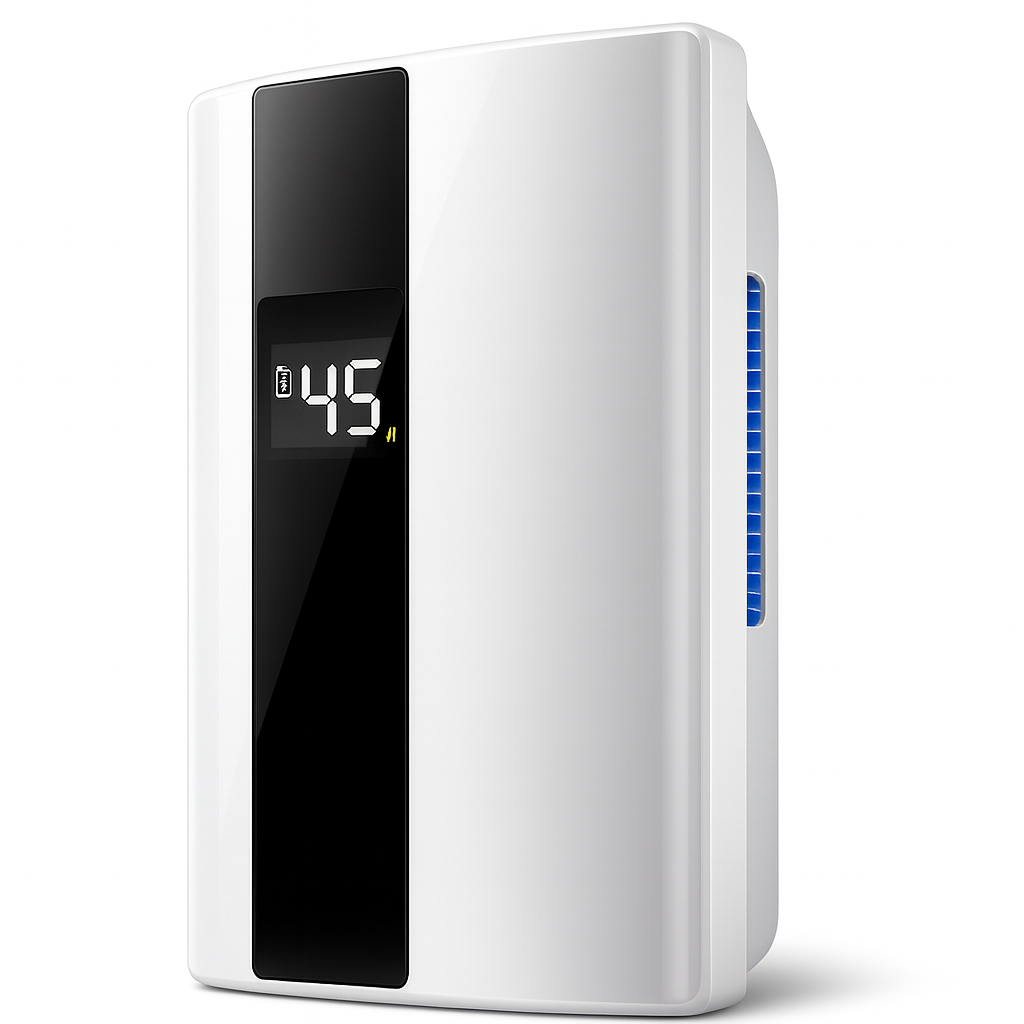
Damp air feeds both dust mites and mould, two common sinus irritants. A dehumidifier with a humidity monitor keeps the room drier and less allergen-friendly. |
| Keep surfaces allergen-light |
Wash bedding weekly at 60°C and HEPA vacuum the mattress and floor to reduce the reservoir of allergen that feeds the problem. |
When allergic rhinitis is behind recurring sinus trouble, reducing overnight exposure can ease the congestion cycle. The sealed protectors and clean-air products below target the triggers most active while you sleep.
Note: Persistent or severe sinusitis should be assessed by a GP, as it can have causes beyond allergy that need specific treatment.