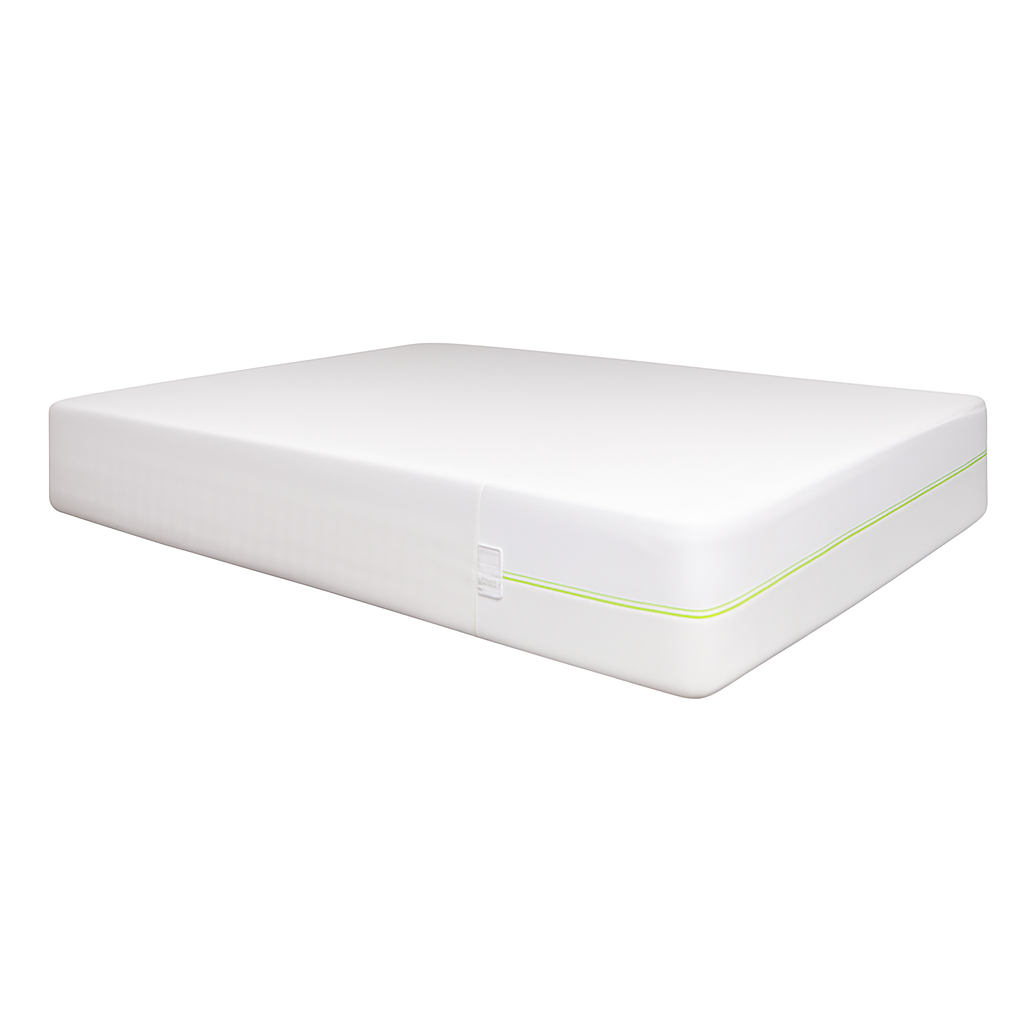
If you are blocked up and sneezing all year round, worse indoors and first thing in the morning, you likely have perennial rhinitis driven by dust mites, not seasonal hay fever. Unlike pollen, dust mites are in your bed every night of the year, which is why the symptoms never let up. Sealing the bed is the most effective way to break the cycle. This collection is built around our Complete Protector Set, plus HEPA air purification for the air you breathe overnight.
Why Your Nose Is Blocked Every Morning
If your congestion is worst on waking, eases through the day, and never really follows the seasons, you are probably dealing with perennial allergic rhinitis, and dust mites are the most likely cause. You spend the night breathing near a mattress and pillow full of dust mite allergen, so by morning your nose is at its most blocked. Because dust mites are present all year, unlike pollen, the symptoms never get a proper break, which is why so many sufferers assume this is just how they are.
What Allergic Rhinitis Is
Allergic rhinitis is inflammation inside the nose caused by an allergic reaction. When you breathe in an allergen you are sensitised to, the lining of your nose releases histamine, producing sneezing, a runny or blocked nose and itching. It is common.
By 2018, around one in eight UK adults had a diagnosis of allergic rhinoconjunctivitis, according to UK primary-care data.
Seasonal or Perennial? Which Do You Have
-
Seasonal: If symptoms spike in spring and summer and ease in winter, seasonal (pollen) rhinitis is likely.
-
Perennial: If symptoms are constant, worse indoors, and worst on waking, perennial rhinitis driven by dust mites is more probable.
Many people have both, which is why it can feel relentless. The dust mite element is the one you have the most direct control over at home. Allergy UK notes that house dust mite allergy is closely associated with perennial, chronic allergic rhinitis, and left unmanaged it can feed into sinusitis.
How to Reduce Dust Mite Rhinitis Triggers
| Action |
How It Helps |
| Seal the bed |
The single highest-impact step is encasing your mattress, pillows and duvet in zipped, tightly woven barrier covers, which stop dust mite allergen escaping into the air you breathe and block 100% of dust mites from reaching you. Start with the Complete Protector Set, or the mattress protector as the essential base layer. |
| Clean the air at night |
A HEPA air purifier reduces airborne allergen in the bedroom, easing the overnight exposure that drives morning symptoms. |
| Control humidity |
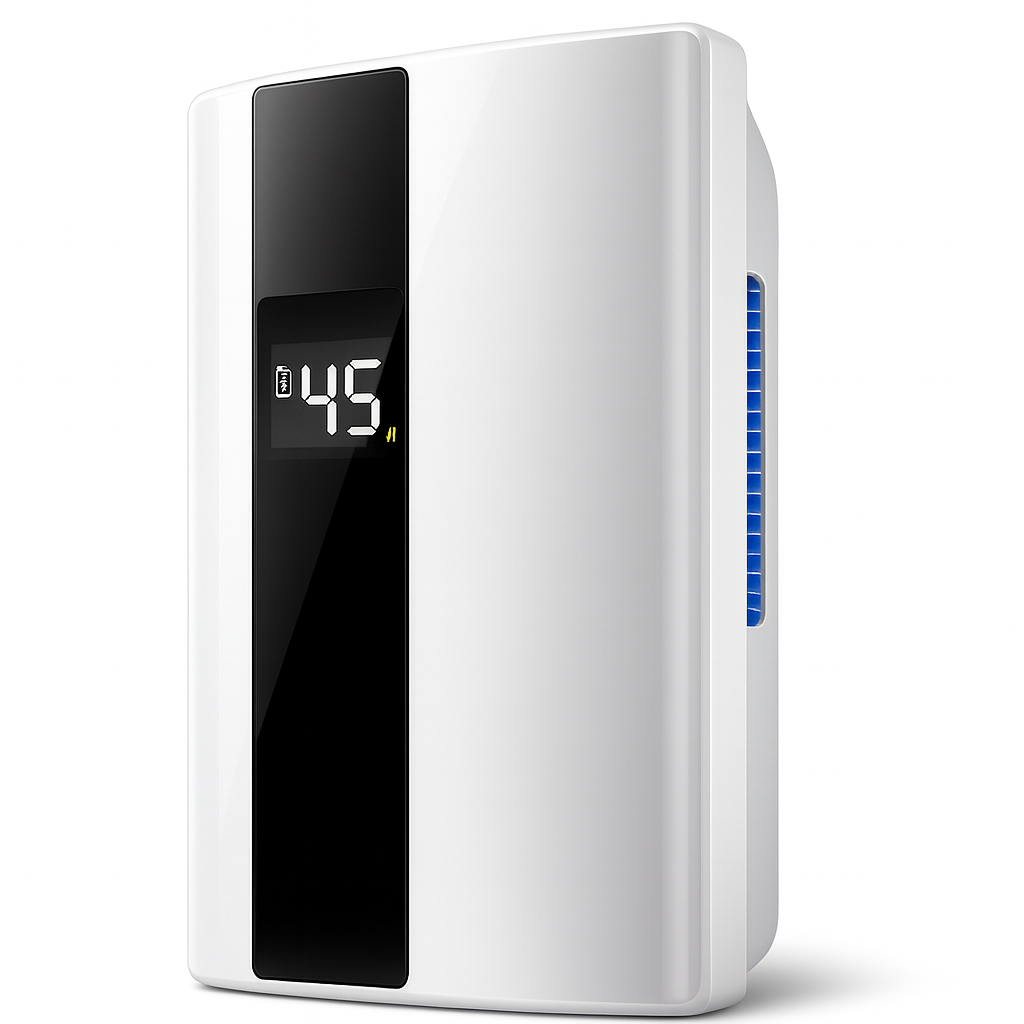
A dehumidifier kept below 50%, checked with a humidity monitor, reduces dust mite numbers over time. |
| Reduce the allergen reservoir |
Wash bedding weekly at 60°C, HEPA vacuum mattresses and floors, and cut fabric hiding places with a hard bed frame and flooring. |
Because perennial rhinitis is largely an indoor, dust mite problem, the bedroom is where you can make the biggest difference. Seal the bed, clean the air and keep humidity low using the products below.
Note: Reducing allergen exposure complements but does not replace any treatment your GP or pharmacist recommends for rhinitis.