If your hay fever is worst first thing in the morning, your bedroom is part of the problem. Many people believe that stepping inside shuts the door on hay fever, but the reality is much more frustrating. Pollen travels indoors on hair, clothes, and pets, then settles directly into the bedding where you breathe it in all night long.
You cannot stop pollen from blowing around outdoors, but you absolutely can strip it from where you sleep. This guide focuses on exactly how to create cleaner air and cleaner bedding. From using a proper HEPA air purifier and HEPA vacuum to investing in sealed protectors, we will show you how to turn your bed back into a low-allergen zone.
The Problem: Why Hay Fever Follows You Into Bed
Many sufferers assume being indoors brings immediate relief, only to wake up with streaming eyes and a blocked nose anyway. The reason for this is surprisingly simple: pollen does not stay outside.
It is a microscopic hitchhiker. It rides into your home on your hair, skin, and clothes. It clings to your pets' fur after a walk. It blows straight through open windows on warm, breezy days. Once inside, pollen acts exactly like dust. It settles heavily into your carpets, upholstery, and, most importantly, your bedding.
Think about how you sleep. Every time you roll over, adjust your duvet, or plump your pillow, your movement disturbs those settled allergens, launching them back into the air directly above your face. Spend an entire eight-hour night with your nose buried in pollen-laden bedding, and it is no surprise you wake up congested. This constant, close-contact exposure is exactly why severe morning symptoms are so incredibly common.
Why It Happens: Understanding the Allergy
What a Pollen Allergy Actually Is
A pollen allergy commonly called hay fever or allergic rhinitis is simply an overreaction of your immune system to the harmless pollen powders released by grasses, trees, and weeds.
When a microscopic grain of pollen meets the sensitive lining of your nose, eyes, or throat, your body misidentifies it as a threat. In response, it releases a chemical called histamine. This chemical is what produces the miserable side effects: the sneezing fits, the heavy congestion, and the intensely itchy eyes.
"By 2018, around one in eight UK adults had a diagnosis of allergic rhinoconjunctivitis, making it one of the most widespread daily disruptions to health in the country." (UK primary-care data)
Unlike a dust mite allergy, which plagues sufferers year-round, a pollen allergy is usually strictly seasonal. However, because different plants pollinate at different times, many people react to more than one type, stretching their symptoms across the majority of the year.
Common Symptoms to Watch For
If you are waking up feeling awful, check your symptoms against this classic hay fever list:
-
Sneezing fits and a constantly runny or completely blocked nose.
-
Itchy, watery eyes that feel gritty upon waking.
-
An itchy throat or a tickle on the roof of the mouth.
-
Tiredness, poor sleep quality, and worse breathing for people with asthma during peak pollen seasons.
Comparing Common Bedroom Allergens
A useful clue to pinpointing your problem: if your symptoms spike outdoors or on high-pollen days but ease up when it rains, pollen is your likely trigger. If your symptoms are constant all year and always worse in bed, dust mites may be involved too.
The two overlap frequently. In fact, dust mite droppings and pollen grains are incredibly similar in size, which is partly why your body reacts to them in the exact same way.
Table: Scientific Comparison of Common Bedroom Allergens
| Allergen Type |
Primary Season |
Average Particle Size (Microns) |
Primary Indoor Hiding Spots |
| Tree Pollen |
Spring (March - May) |
10 to 50 microns |
Hair, clothes, open windows |
| Grass Pollen |
Summer (May - July) |
20 to 35 microns |
Pet fur, shoes, bedding |
| Weed Pollen |
Autumn (August - Oct) |
10 to 20 microns |
Carpets, soft furnishings |
| Dust Mite Waste |
Year-Round |
10 to 40 microns |
Mattresses, pillows, duvets |
Notice how similar in size pollen grains and dust mite droppings are. This is why tools that capture one will effectively capture the other.
What Doesn't Work: The Common Mistakes
Before fixing the problem, it is vital to stop doing the things that make it worse. When desperate for a good night's sleep, many people rely on tactics that accidentally trap more pollen in the bedroom.
1. The "Fresh Air" Fallacy
Leaving your bedroom window wide open on a warm summer evening feels like common sense to cool down the room. Unfortunately, evening is often when pollen begins to fall back to ground level as the air cools. An open window acts as a funnel, coating your bedsheets in invisible allergens just before you get in.
2. Drying Bedding Outdoors
Washing your sheets regularly is great, but hanging them on the washing line on a dry, breezy summer day is a disaster for hay fever sufferers. Wet fabric acts like a net, catching blowing pollen. When you bring those sheets back inside and put them on your bed, you are literally tucking yourself into a blanket of allergens.
3. Relying Solely on Medication
Taking an antihistamine before bed can suppress the histamine response, but it does nothing to remove the root cause. If you do not clean your sleep environment, your immune system is still fighting a massive battle all night. Medication should be the backup, not the only line of defence.
What Does Work: How to Reduce Pollen Where You Sleep
You cannot control the air outside, but you can turn your bedroom into a safe haven. Because pollen, dust mites, and mould often trigger the exact same symptoms, tackling all of these indoor sources together tends to give the best, most noticeable relief.
Here is exactly what actually works.
Clean the Air in Your Bedroom
Airborne pollen is the hardest to avoid, but the easiest to catch with the right equipment.
-
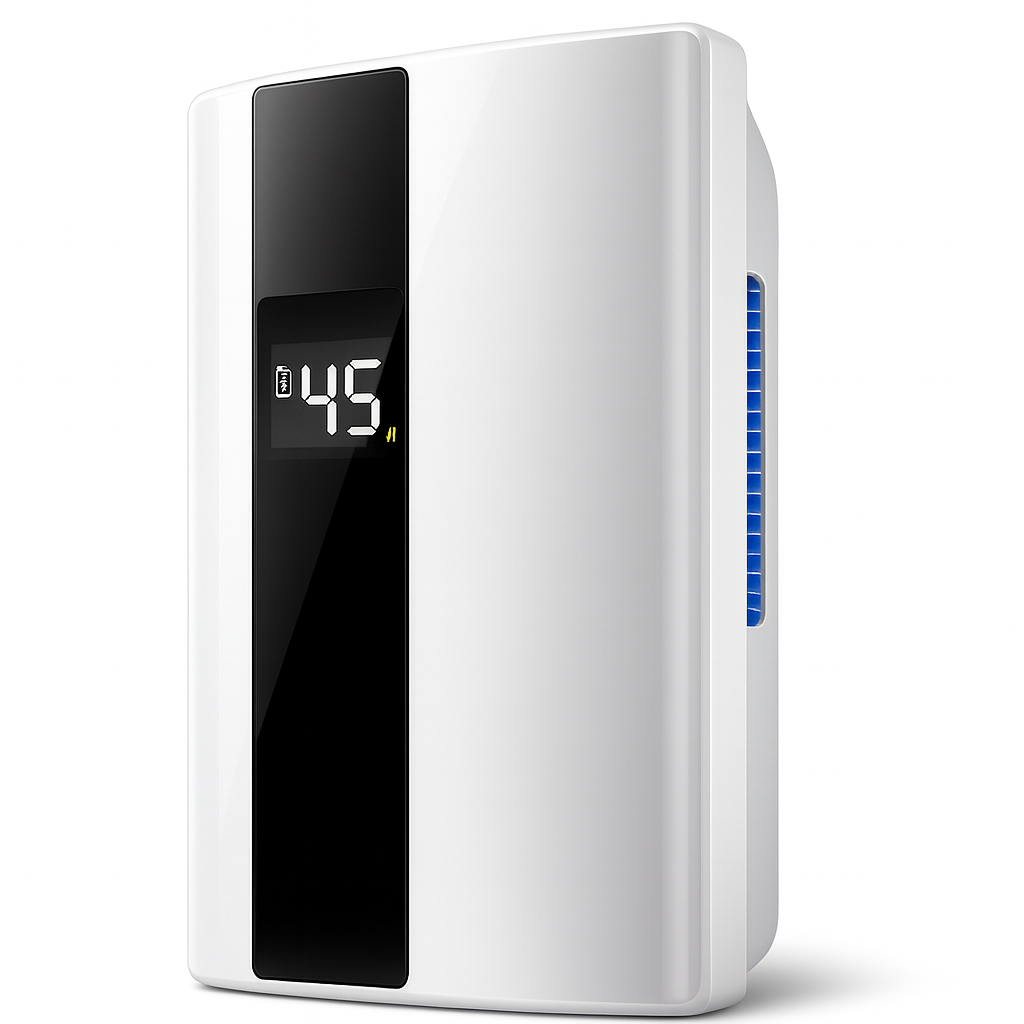
Use a HEPA Air Purifier: A true HEPA (High-Efficiency Particulate Air) filter forces air through a fine mesh that traps harmful particles, including pollen and dust mite waste. It actively lowers the concentration of allergens you breathe overnight. Running one near your bed with the bedroom doors and windows closed during peak season makes a massive, measurable difference for many people.
Keep Pollen Out of the Bed
Prevention is better than cure. You must stop carrying the outside world into your bed.
-
Shower Before Sleep: Wash your hair and body before getting into bed. Hair is notorious for acting like a pollen trap. If you don't wash it out, you rub it directly into your pillowcase, where you breathe it in all night.
-
Change Clothes Outside the Bedroom: Take off your outdoor clothes in the bathroom or hallway. Do not dump worn clothes on the bedroom chair or the end of the bed.
-
Wash Bedding Smartly: Wash your sheets regularly at a high temperature, and always dry them indoors or in a tumble dryer during high-pollen seasons.
Remove Settled Pollen
Once pollen is in the house, it sinks into fabrics. You have to pull it back out safely.
-
Use a HEPA Vacuum: A standard vacuum cleaner will pick up dirt but will blow microscopic pollen grains straight through its exhaust and back into the air you breathe. A HEPA vacuum securely lifts and locks away pollen from carpets, mattresses, and upholstery without firing fine particles back into the room.
Manage Windows and Damp
Control the climate inside your room to keep it inhospitable to allergens.
-
Keep Windows Closed Strategically: Keep your bedroom windows firmly closed on high-pollen mornings and evenings. If you need to ventilate, do it during the middle of the day or after a heavy rain shower when the pollen count is temporarily washed away.
-
Control Humidity: Keep the room dry. Reducing dampness not only makes the air feel fresher, but it also reduces mould and stops dust mites from multiplying at the same time.
Build a Cleaner, Calmer Bedroom
Waking up exhausted, congested, and miserable is not something you just have to "put up with" during the summer months. By understanding how pollen gets into your bed and taking straightforward steps to remove it, you can finally wake up feeling rested and clear-headed.
At iDustMite, our collection is specifically designed to help you strip these invisible triggers from where you sleep. From our powerful HEPA air purifier that scrubs the air while you rest, to our secure HEPA vacuums that pull allergens out of your mattress, to our completely sealed bedding protectors that keep your bed a strictly low-allergen zone.
Do not let hay fever follow you into bed tonight. Explore our bedroom allergy solutions below and take back your sleep.