If you are waking up with a blocked nose, a scratchy throat, or a tight chest, but you cannot figure out why, the air in your bedroom might be to blame. Mould thrives in damp, poorly ventilated homes, releasing microscopic spores that can trigger severe allergy and asthma symptoms. The most frustrating part? This happens often without a single patch of visible mould in sight.
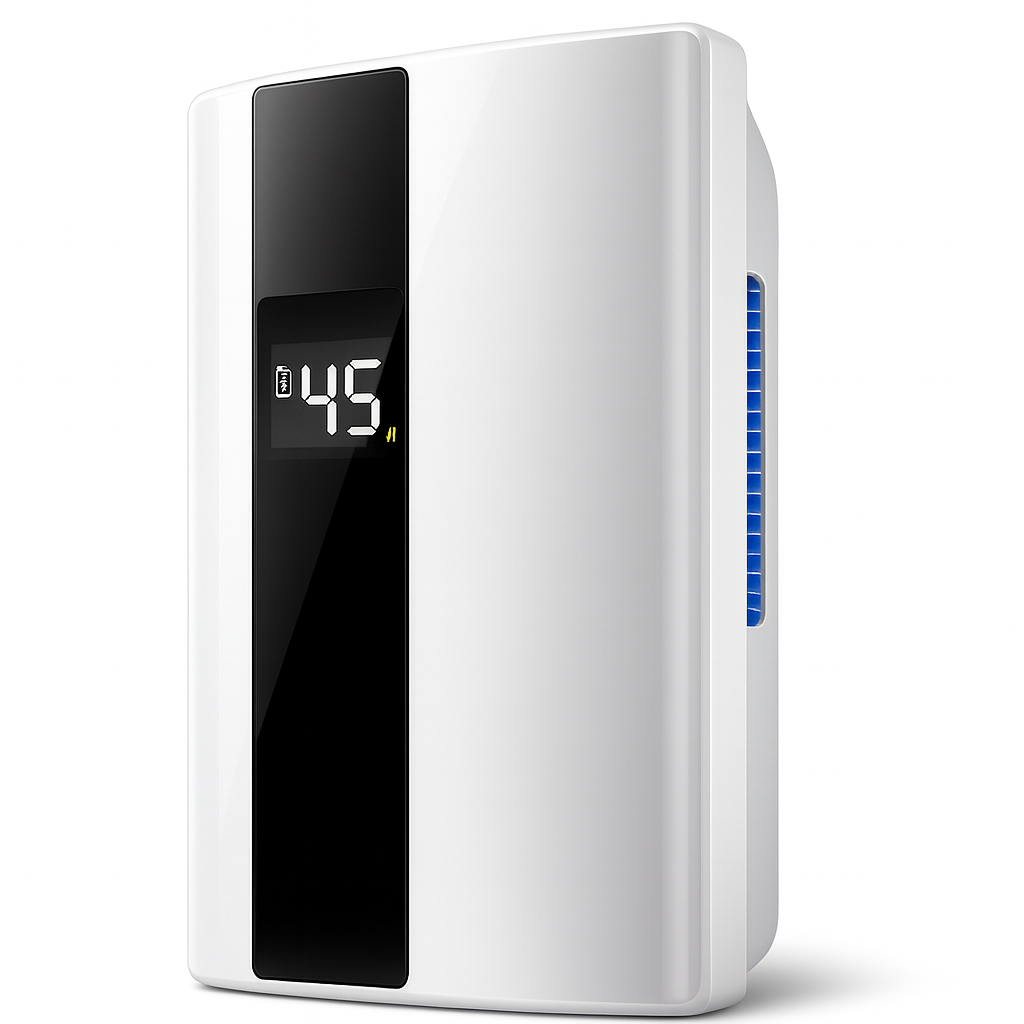
Bedrooms are a notoriously common problem area. Overnight moisture from simply breathing, combined with closed windows and low ventilation, allows humidity to climb steadily while you sleep. The single most effective way to control mould is to control damp. This guide will walk you through managing bedroom humidity and air quality, moving away from ineffective quick fixes toward long-term relief using tools like our dehumidifiers, humidity monitors, and HEPA air purifiers.
The Problem: The Invisible Bedroom Invader
It is incredibly frustrating to suffer from allergy symptoms in your own home, especially when the room looks perfectly clean. Many people assume that if their walls are not covered in black spots, mould cannot possibly be their issue. This is a massive misconception.
Mould is a master of hiding. It quietly takes hold in places you rarely check: behind heavy wardrobes, underneath carpets, inside the backing of wallpaper, or deep within the mattress. As it grows, it releases thousands of microscopic spores into the air.
When you shut your bedroom door at night, you trap yourself in a sealed box. Every breath you exhale adds moisture to the air. If the room is cold, that moisture hits cold external walls and windows, turning into condensation. This creates a perfect micro-climate for mould to flourish. You spend eight hours a night breathing in this stagnant, spore-heavy air, which is exactly why you wake up feeling congested, exhausted, and unwell.
Why It Happens: Understanding the Allergy and the Cause
What Is a Mould Allergy?
A mould allergy is an active immune reaction to airborne mould spores. Moulds are essentially fungi, and they reproduce by releasing tiny, invisible spores that float easily through the air.
When a sensitised person inhales these spores, their immune system misidentifies them as a dangerous invader. The body fights back by releasing histamine, triggering a cascade of miserable symptoms.
"Mould spores are one of the common airborne allergens behind allergic rhinitis, alongside pollen, house dust mites, and pet dander. Unlike outdoor moulds that spike seasonally, indoor mould can trigger symptoms all year round wherever damp is present." (According to Allergy UK)
Crucially, you do not need to live in a crumbling, visibly damp house to suffer. Spores from a small patch of hidden damp behind a bedside table, or simply from a room that stays too humid after an en-suite shower, can be more than enough to trigger a daily reaction.
Mould Allergy Symptoms
Symptoms closely resemble other airborne allergies. If your bedroom is damp, watch out for:
-
Sneezing fits and a persistently blocked or runny nose.
-
Itchy, red, or watery eyes.
-
Coughing and wheezing, particularly at night or first thing in the morning.
-
Worsened asthma symptoms; people with asthma often notice their breathing becomes significantly more difficult in damp rooms or during damp weather.
A very strong clue: if you notice your symptoms are notably worse in one specific room of the house, but improve when you leave it, you are likely dealing with a localised damp source.
The Link Between Mould and Dust Mites
Because the symptoms overlap heavily with dust mite and pollen allergies, mould rarely acts alone. Damp conditions encourage dust mites to multiply rapidly, as they absorb the moisture they need to survive directly from the air.
Table: Scientific Comparison of Indoor Bedroom Triggers
| Allergen Trigger |
Ideal Breeding Conditions |
Particle Size (Microns) |
Seasonal Pattern |
| Mould Spores |
Relative Humidity above 60% |
3 to 10 microns |
Year-round (worse in winter) |
| Dust Mites |
Relative Humidity above 50% |
10 to 40 microns |
Year-round |
| Pollen Grains |
Carried from outdoors |
10 to 50 microns |
Spring to Autumn |
Notice that both mould and dust mites require high humidity to survive. By dropping the moisture levels in your bedroom, you effectively starve two of the most common allergens at the exact same time.
What Causes Indoor Mould?
To beat the allergy, you have to understand where the damp is coming from.
-
High humidity: Simply breathing overnight, drying clothes indoors, and failing to ventilate after showers rapidly fills the air with water vapor.
-
Condensation: Warm, moist indoor air hitting cold windows and poorly insulated walls, especially in winter, turns back into liquid water.
-
Poor airflow: Pushing furniture flush against walls creates dead zones where air stagnates, allowing damp to settle and mould to grow undisturbed.
-
Existing damp: Structural issues like a leaking roof, blocked gutters, or rising damp from the ground.
What Doesn't Work: The Common Mistakes
When faced with a damp room and daily allergies, people often panic and try solutions that waste time, waste money, or actually make the problem worse.
1. Wiping Walls with Bleach
Spraying a strong chemical bleach on a patch of mould will temporarily remove the dark stain, but it does absolutely nothing to remove the microscopic spores floating in the air, nor does it fix the humidity that caused the mould in the first place. Within weeks, the mould will return.
2. Drying Clothes on Bedroom Radiators
It seems like a quick way to dry your laundry in the winter, but a single load of wet washing can release over two litres of water directly into your bedroom's air. This guarantees condensation on your windows and provides a feast for both mould and dust mites.
3. Turning the Heating Completely Off
To save on energy bills, some people leave their bedrooms freezing cold. However, cold air cannot hold as much moisture as warm air. The colder the room, the faster condensation forms on surfaces, accelerating mould growth exponentially.
What Does Work: How to Control Mould and Damp
The foundation of mould control is keeping the air dry. If you remove the moisture, the mould cannot survive, the dust mites die off, and your symptoms dramatically improve. Here is exactly how to achieve an allergy-friendly, low-damp bedroom.
Reduce the Humidity
You must take control of the moisture levels in the air. Allergy UK recommends keeping indoor humidity strictly under 50% (but ideally above 30% so the air does not become painfully dry for your throat).
-
Use a Dehumidifier: Running a dehumidifier consistently physically pulls excess water out of the air. It is the single most aggressive, effective measure you can take against both mould and dust mites.
-
Use a Humidity Monitor: You cannot manage what you cannot measure. A simple digital monitor sits on your bedside table and tells you exactly when the room is entering the "danger zone" for mould growth, so you know exactly when to turn your dehumidifier on.
Improve Ventilation
Stagnant air is a breeding ground for spores. You must keep the air moving.
-
Open Windows Strategically: Open your bedroom windows for just 10 to 15 minutes each morning to let the stale, moist overnight air escape and allow fresh, dry outdoor air in.
-
Rearrange Furniture: Pull your wardrobes, bed frames, and chests of drawers a few inches away from external walls to allow air to circulate behind them.
Clean the Air
While you are busy drying out the room, you still need to protect your lungs from the spores already floating around.
Deal with the Source
No amount of air cleaning or dehumidifying will fix an actively leaking pipe or a broken roof tile. Address the structural root cause of any persistent damp first. Once fixed, rely on humidity control to keep the environment totally unfavourable to any future regrowth.
Build an Allergy-Friendly, Low-Damp Bedroom
Because damp connects mould and dust mites so directly, controlling humidity is the highest-leverage step you can possibly take for your health. You do not need to resort to harsh chemicals or complicated routines to wake up feeling able to breathe again.
Pairing targeted moisture extraction with hospital-grade air filtration makes your bedroom completely hostile to two of the most common indoor allergy triggers at once.
At iDustMite, our damp-control collection is built specifically for this purpose. From our precise humidity monitors that keep you informed, to our quiet, efficient dehumidifiers that pull moisture from the air, to our powerful HEPA air purifiers that scrub spores from your breathing zone.
Stop letting hidden damp ruin your sleep. Explore our bedroom air quality solutions below and take the first step toward a dry, healthy, and allergy-free home.