The Link Between Eczema and Dust Mites
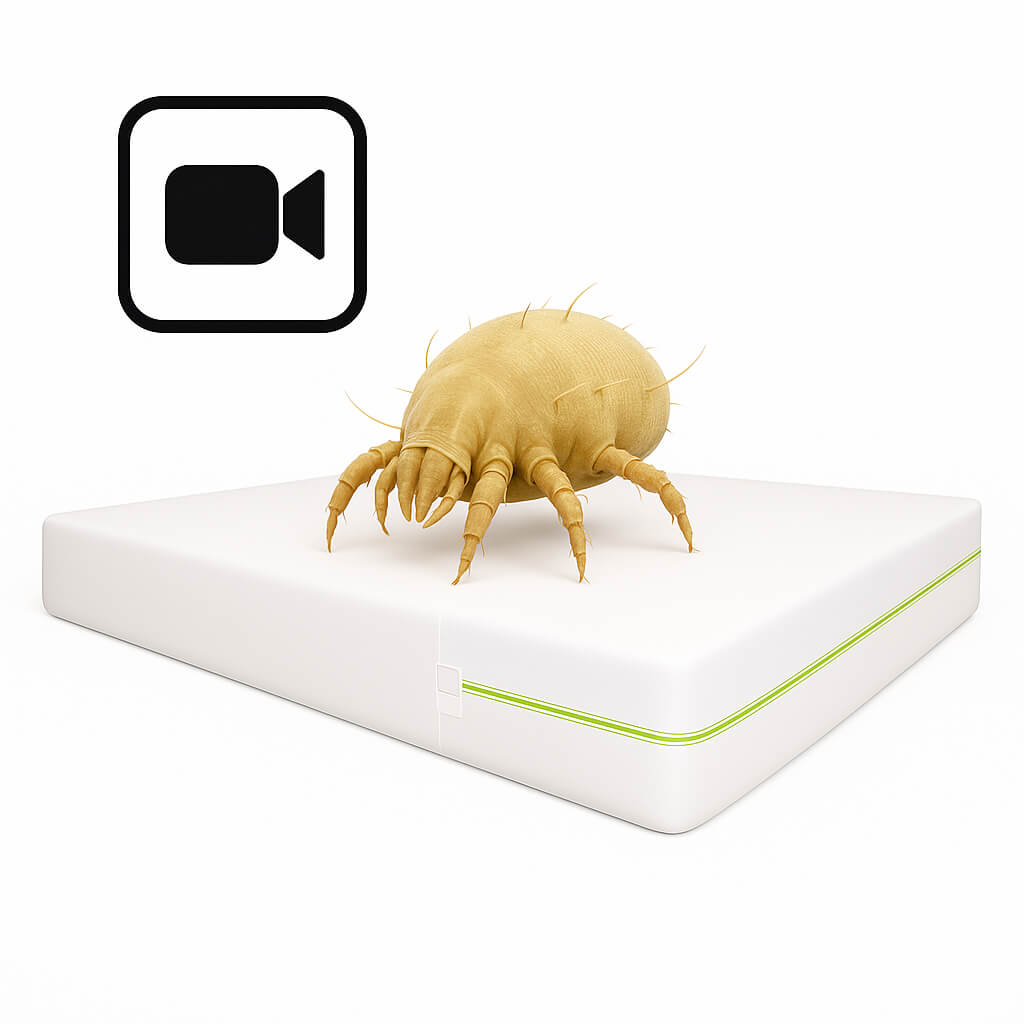
Eczema (atopic dermatitis) is a condition where the skin barrier is compromised, leaving it dry, itchy and reactive. It's common by 2018, around one in six UK adults and one in four UK children had an eczema diagnosis, according to UK primary-care data and it's part of the same "atopic" family as asthma and hay fever, strongly influenced by environmental allergens. Among the most common of these is the house dust mite.
For many people with eczema, dust mite allergens make flare-ups worse — and because you spend seven or eight hours a night in direct contact with your mattress, pillow and duvet, the bed is where that exposure is highest and most prolonged.
Why Eczema Often Feels Worse at Night
-
Prolonged allergen contact. Skin rests against bedding that harbours dust mite allergens for hours at a time.
-
Warmth. A warm bed increases itching and sweating.
-
Fewer distractions. With nothing else to focus on, the itch feels more intense, and scratching in your sleep damages the skin further.
The result is a frustrating cycle: itch disrupts sleep, poor sleep worsens skin, and morning brings raw, irritated patches. Reducing the allergen load in the bed targets the root of that cycle.
How to Reduce Dust Mite Triggers for Eczema
Seal the mattress, pillows and duvet
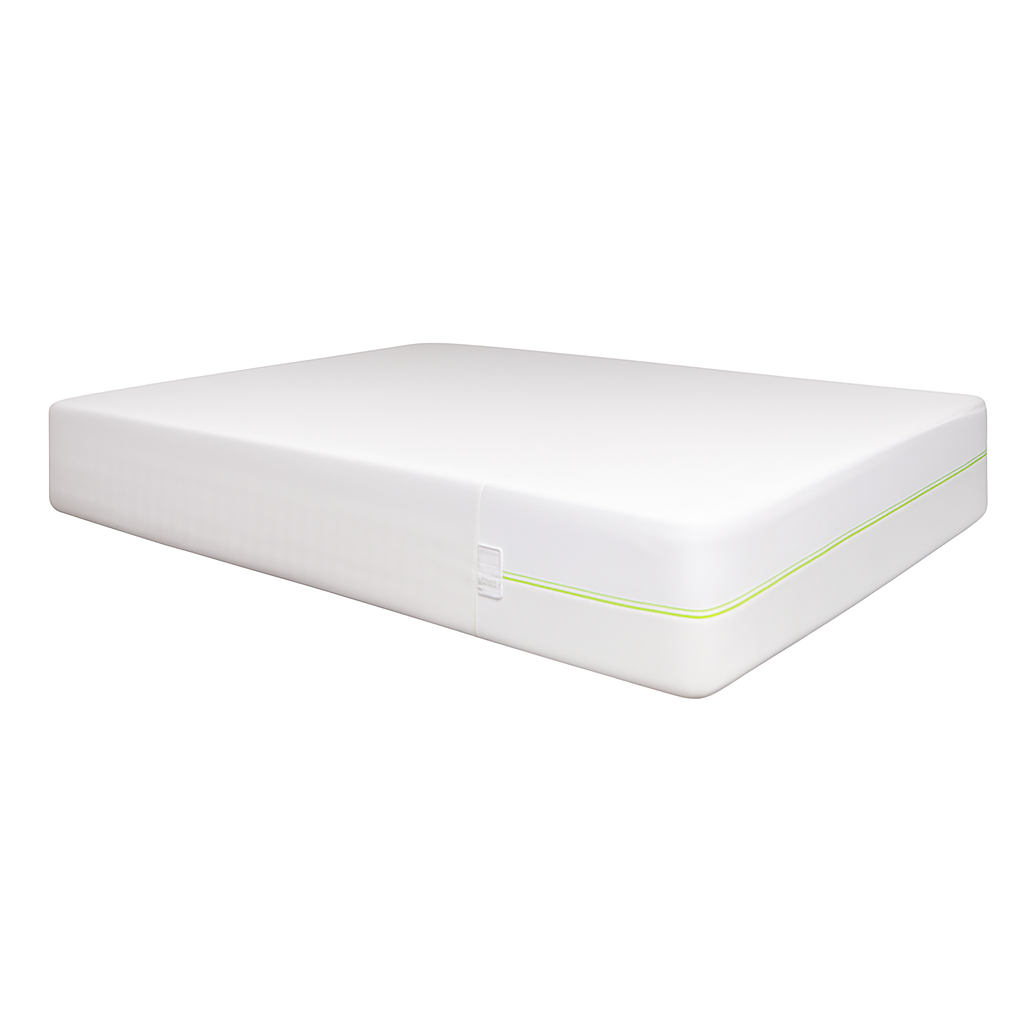
Encasing bedding in zipped, breathable barrier covers is the most effective way to put a barrier between your skin and the dust mite allergens inside. The Complete Protector Set covers all three surfaces; the pillow protectors matter most for facial eczema, since that's where your skin rests all night.
Choose gentle, breathable bedding on top
Soft, breathable materials reduce overheating and irritation. Our anti dust mite bedding and eucalyptus silk duvet are designed to feel gentle against sensitive skin while layering over sealed protectors, quiet and soft, without the crinkle of plastic-backed alternatives.
Wash hot and keep it clean
Wash bedding weekly at 60°C, the temperature Allergy UK confirms kills dust mites and use a HEPA vacuum on surrounding surfaces to lift settled allergens without scattering them.
Control humidity
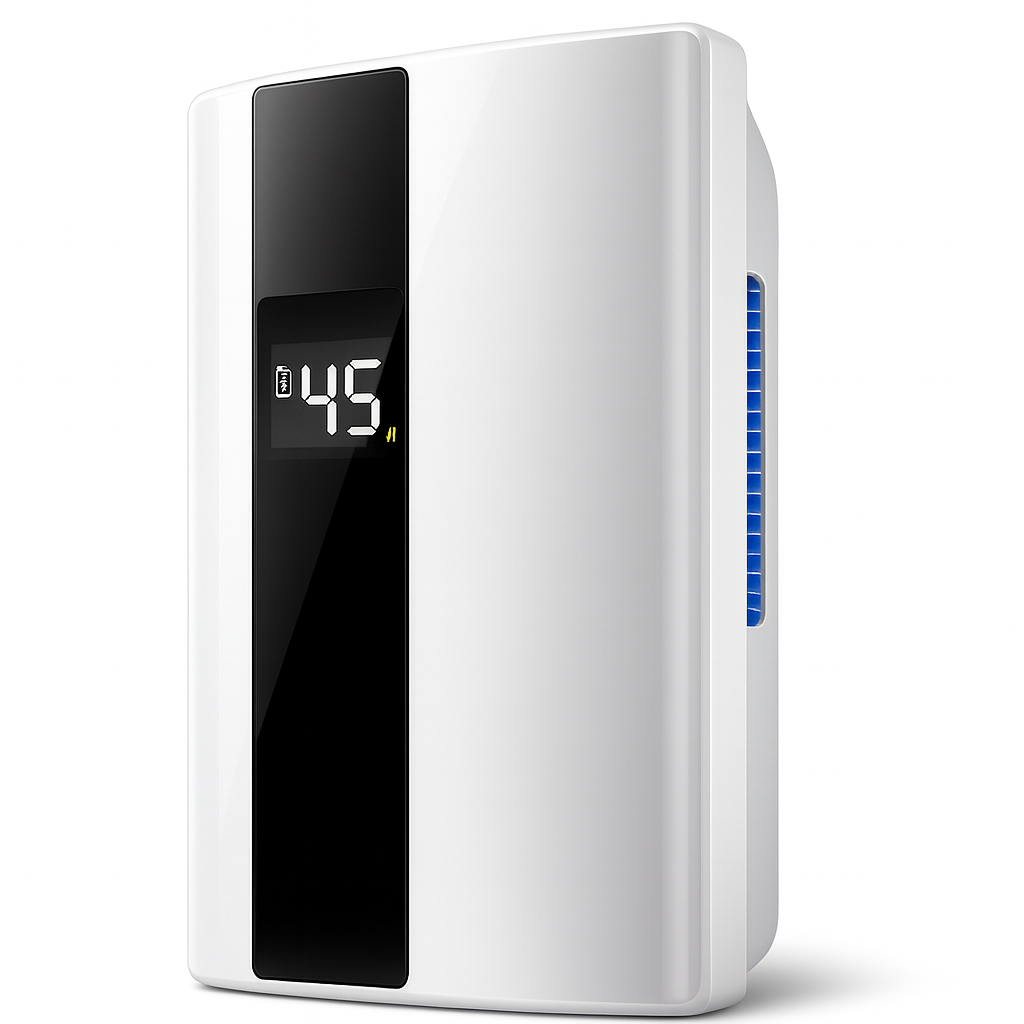
Keeping the bedroom below 50% humidity with a dehumidifier reduces dust mite numbers over time — fewer mites means fewer allergens against your skin.
Building a Calmer Bed for Sensitive Skin
The aim is simple: reduce how much dust mite allergen your skin meets overnight. Start by sealing the bed, add gentle breathable bedding on top, keep everything clean and the room dry, and you remove one of the most common controllable triggers behind night-time flare-ups. For tailored guidance, our founder offers a personal home consultation.
Note: reducing dust mite exposure targets one environmental trigger and isn't a substitute for the eczema care advised by your GP or dermatologist.