If your chest tightens at night or you wake up wheezing, dust mites in your bed are one of the most common triggers. Around 80% of children with asthma react to them, according to UK clinical data. You spend a third of your life breathing inches from your mattress, so it is where exposure is highest. Sealing the bed cuts that exposure at the source. This collection is built around our Complete Protector Set, alongside HEPA air purification to clean what you breathe overnight.
Why Asthma Is Often Worse at Night
If your wheeze or cough is worse at night and on waking, and eases when you are away from home, indoor allergens in your bedroom are worth investigating. You lie inches from your mattress and pillow for hours, and every time you move you disturb the dust mite allergen held in the fibres and breathe it in. House dust mite is the single most common allergen linked to asthma, which is why night-time and early-morning symptoms are so common.
How Dust Mites Trigger Asthma
Asthma is a long-term condition in which the airways become inflamed and narrow, making breathing difficult. In allergic asthma, allergens set off that inflammation, and house dust mite allergen is one of the most common triggers in UK homes. It is widespread:
By 2018, around one in seven UK adults and one in ten UK children had an asthma diagnosis, according to UK primary-care data.
When you inhale the protein from dust mite droppings, sensitised airways react with tightening, wheezing, coughing and breathlessness. Allergic asthma frequently sits alongside rhinitis and eczema, so tackling the shared dust mite trigger can help on several fronts.
How to Reduce Dust Mite Allergens for Asthma
| Action |
How It Helps |
| Seal the bed |
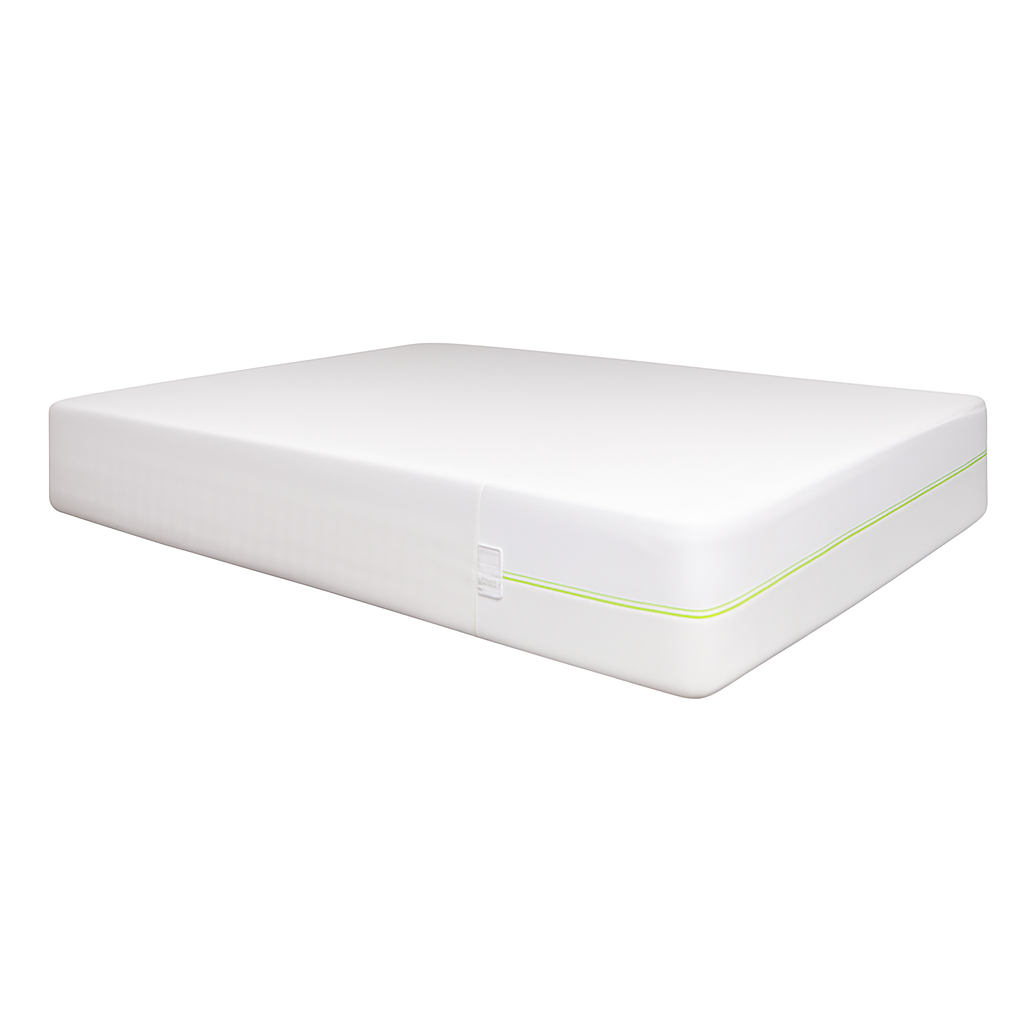
Zipped, tightly woven barrier covers on the mattress, pillows and duvet trap allergen inside and stop it becoming airborne as you move in your sleep, blocking 100% of dust mites from reaching you. The Complete Protector Set is the most thorough starting point, and the mattress protector is the essential first layer. |
| Clean the air |
A HEPA air purifier captures fine airborne allergen in the bedroom, reducing what you breathe overnight. |
| Control humidity |
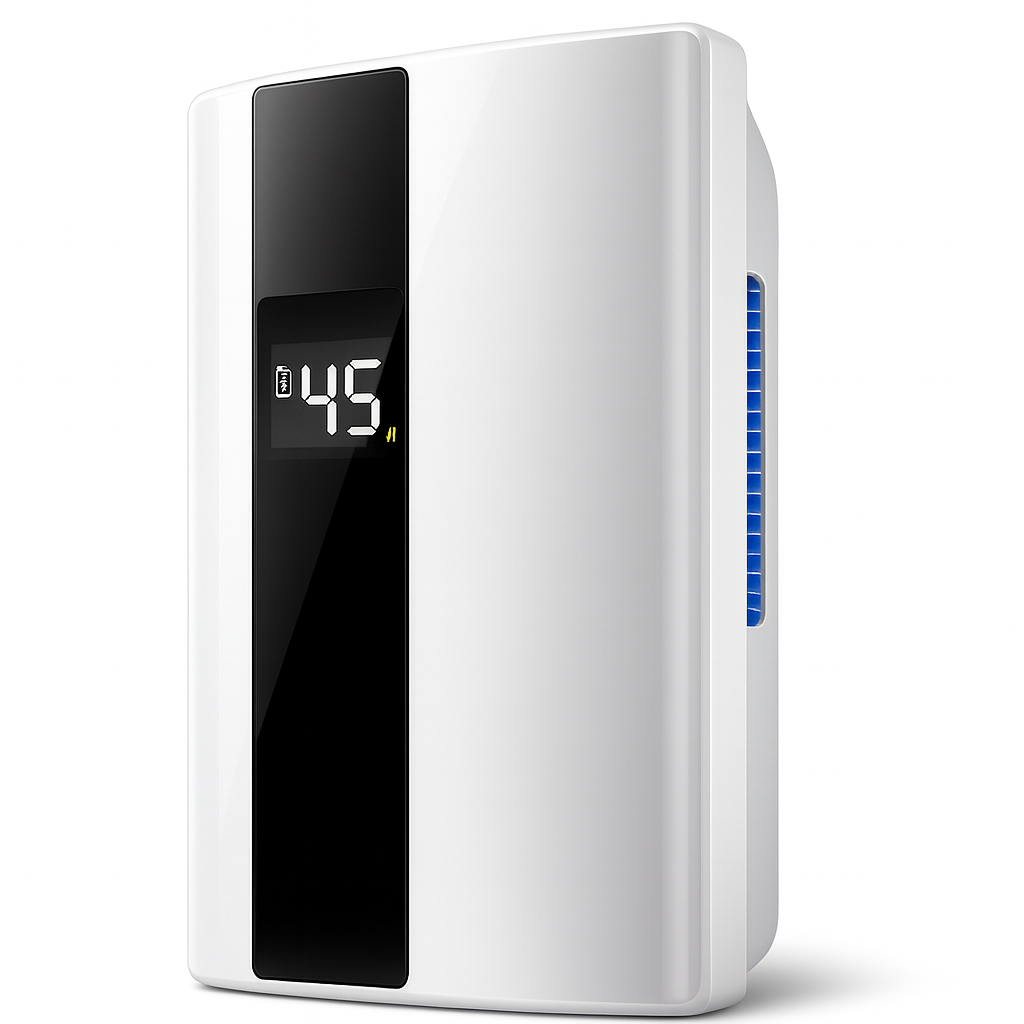
Dust mites cannot thrive below 50% humidity. A dehumidifier and humidity monitor reduce mite numbers over time, lowering the allergen load at source. |
| Vacuum without scattering |
A standard vacuum can throw fine allergen back into the air. A HEPA vacuum captures it, making it safer for removing allergen from mattresses and floors. |
| Remove fabric hiding places |
A hard bed frame and hard flooring give dust mites fewer places to colonise than a divan and carpet. |
Managing allergic asthma is about reducing your total exposure. Sealing the bed, cleaning the air, controlling humidity and cutting fabric reservoirs together make the bedroom a far lower-allergen place. The products below cover each step.
Note: Reducing environmental triggers supports but does not replace the asthma treatment and action plan provided by your GP or asthma nurse. Never stop prescribed medication without medical advice.